Surfaces That Stay Usable All Winter
Ice melt in Washington for walkways and parking areas that need safe foot traffic during freezing conditions
Frozen precipitation in Iowa creates slick surfaces that turn driveways, sidewalks, and business entryways into liability zones. GreenKing Turf provides ice melt application in Washington that addresses these conditions before they lead to falls or accessibility problems. The right product applied at the correct rate makes the difference between surfaces that clear quickly and those that remain hazardous or sustain damage from over-application.
Different ice melt formulations work at different temperatures—calcium chloride remains effective down to negative 25 degrees Fahrenheit, while rock salt stops working around 15 degrees. Iowa winters regularly push below rock salt's effective range during cold snaps, which means choosing your product based on forecasted conditions rather than convenience determines whether you're actually preventing ice buildup or just spreading ineffective material.
Request a consultation to assess your property's specific ice management requirements and determine appropriate product selection.
What Proper Ice Melt Application Prevents Long-Term
Application rates matter as much as product type—too little leaves ice intact, while excessive amounts damage concrete surfaces, burn lawn edges, and create runoff that harms nearby plantings. Coverage guidelines typically call for two to four ounces per square yard for preventive applications and up to eight ounces per square yard for existing ice, though these rates shift based on temperature and precipitation intensity. Pet-safe blends cost more but eliminate the paw irritation and digestive risks that standard formulations create when animals walk through treated areas.
After application, you'll notice ice melting within minutes as the product lowers the freezing point of water and breaks the bond between pavement and ice. Properly treated surfaces show clear paths where foot traffic concentrates, reduced refreezing overnight, and minimal white residue once temperatures rise. Concrete exposed to appropriate ice melt rates shows no surface pitting or discoloration, while over-treated areas develop scaling and spalling that become visible in spring.
Storage conditions directly affect product performance—calcium chloride and blends absorb moisture from air, which causes clumping and reduces effectiveness when you need them. Sealed containers kept in dry locations maintain full potency through the season, while products stored in damp garages or opened bags lose their ability to generate the heat needed for melting. Understanding these factors helps you decide between bulk purchases that require proper storage and smaller quantities that stay fresh but cost more per application.
Questions Property Owners Typically Ask
Cold weather creates specific challenges for maintaining safe exterior surfaces, and selecting the right ice melt approach involves understanding product differences and application timing.
What determines which ice melt product works for your property?
Temperature forecasts drive product selection—calcium chloride handles the coldest conditions Iowa winters deliver, rock salt works for moderate freezes above 15 degrees, and blended formulations balance cost with broader temperature effectiveness while adding corrosion inhibitors that protect metal fixtures.
How do you calculate the right application rate without damaging surfaces?
Preventive applications require about two ounces per square yard before precipitation starts, while existing ice needs four to eight ounces depending on thickness, and you adjust these rates downward on new concrete less than a year old to prevent surface damage during curing.
When should you apply ice melt for the best results?
Application before freezing precipitation bonds to pavement produces faster clearing and uses less product than trying to break established ice, which often requires multiple treatments as temperatures fluctuate.
Why do some ice melt products harm pets and landscaping?
Standard formulations contain sodium chloride and calcium chloride that irritate paw pads, cause digestive upset if ingested during grooming, and create salt concentrations in soil that burn plant roots, while pet-safe alternatives use magnesium chloride or urea that pose fewer biological risks.
How does proactive ice management reduce liability exposure in Washington?
Cleared walkways and parking areas eliminate slip-and-fall incidents that generate premises liability claims, and documented ice control efforts demonstrate reasonable care in maintaining safe conditions during winter weather events.
GreenKing Turf applies ice melt products based on current temperature conditions and forecasted weather patterns to maintain safe walking surfaces throughout winter. Schedule a property evaluation to develop an ice management plan that addresses your high-traffic areas and exposure concerns.
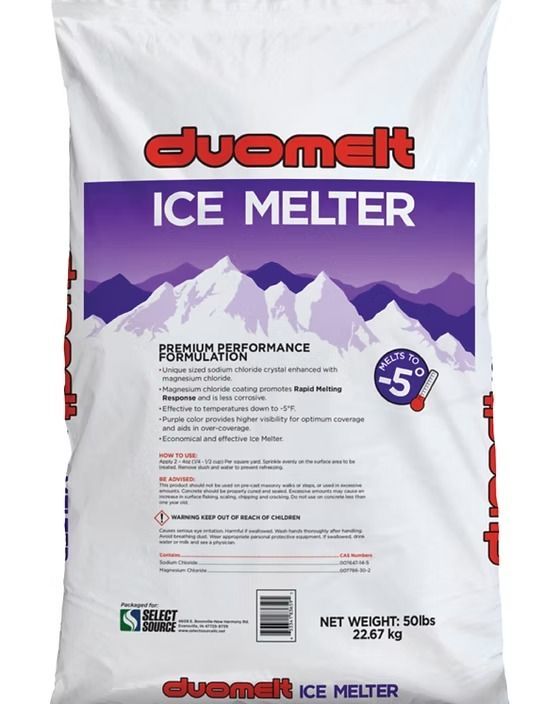
Duo-Melt
Premium performance blend with melting power to -05°F!
- Unique sized sodium chloride crystal enhanced with magnesium chloride
- Magnesium chloride coating promotes Rapid Melting Response and is less corrosive
- Effective to temperatures down to -5°F
- Economical and effective
- Purple color provides higher visibility for optimum coverage and aids in over-coverage
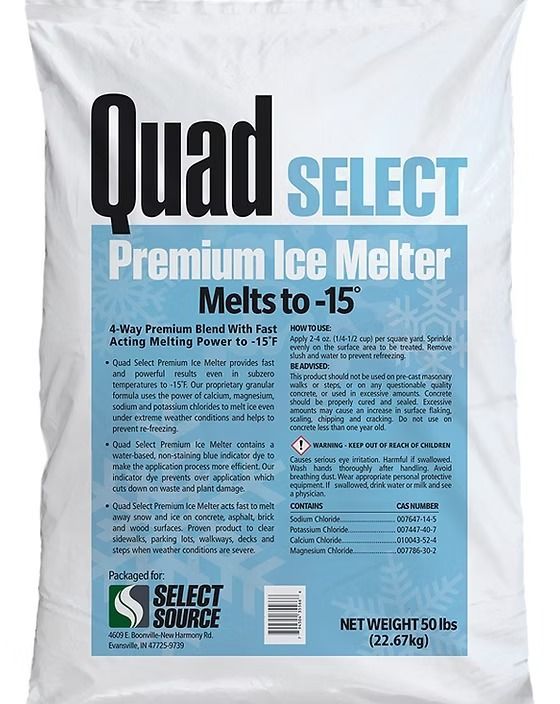
Quad Select
Quad Select™ Premium Ice Melter provides fast and powerful results even in subzero temperatures to -15° F.
- Proprietary formula provides superior results
- Melts to -15° degrees Fahrenheit
- Works on concrete, asphalt, brick and wood surfaces
- Blue color dye for coverage control
- Uniform particle size provides consistent and accurate application
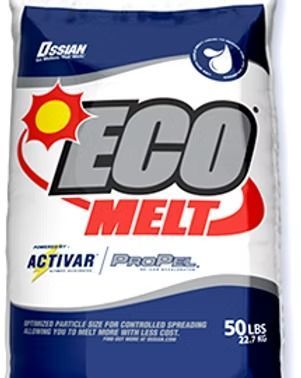
Eco-Melt
High Performance at an economical price
- ECO MELT® contains two patented accelerating agents.
- ECO MELT® has been shown in Strategic Highway Research Program testing, to exceed the melt value of a theoretical 40% calcium chloride blend.
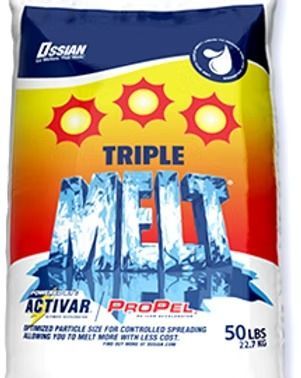
Triple Melt
- TRIPLE MELT® contains two patented accelerating agents.
- TRIPLE MELT® has been shown in Strategic Highway Research Program testing, to exceed the melt value of a theoretical 50% calcium chloride blend.