Stabilize Soil Before It Migrates
Erosion Control in Washington for slopes, construction sites, and drainage paths where runoff removes topsoil and creates sediment problems
Slopes steeper than three-to-one lose topsoil during heavy rain because water velocity increases with grade, carrying soil particles downhill and leaving exposed subsoil that resists plant growth. GreenKing Turf supplies erosion blankets, straw matting, silt fences, and hydro mulch formulated to slow runoff, trap sediment, and establish vegetation before bare ground washes into ditches or storm drains. Erosion control products work by reducing water velocity across the soil surface, holding seed and soil in place during germination, and creating root structure that permanently anchors the top layer.
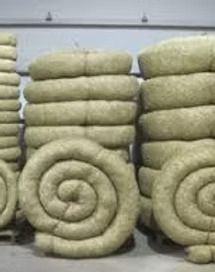
Erosion blankets made from biodegradable jute or straw hold seed against the slope while roots establish, preventing washout during the first sixty days when seedlings lack anchoring strength. Silt fences intercept sediment-laden runoff at the base of slopes or along construction perimeters, trapping particles while allowing water to pass through fabric barriers. Hydro mulch combines seed, fiber, and tackifier in a slurry sprayed onto steep or large areas where blankets are impractical, forming a bonded mat that resists displacement even during intense storms. Installation methods vary—blankets require trenching at the top and bottom to anchor edges, silt fences need posts driven deep enough to resist water pressure, and hydro mulch depends on proper mixing ratios and nozzle settings for even coverage.
Arrange a site assessment to evaluate slope angles, runoff patterns, and soil type before selecting erosion control products and installation methods.
What Proper Erosion Control Requires
Effective erosion control starts with identifying where water concentrates—swales, ditches, and areas below downspouts—because those zones experience the highest velocity and carry the most sediment. Products must match site conditions: jute blankets work on moderate slopes with decent topsoil, while synthetic mesh suits steeper grades or rocky ground where organic materials decompose too quickly. GreenKing Turf helps match product specifications to slope grade, expected water flow, and vegetation establishment timelines so solutions hold through multiple rain events before roots take over stabilization.
After installation, you'll notice sediment staying on-site instead of washing into low areas, clearer water flowing through drainage paths, and vegetation establishing within two to three weeks as seed germinates under protective matting. Bare slopes develop uniform grass cover, gullies stop widening, and property boundaries no longer show sediment deposits along fence lines or neighboring lots. The difference becomes obvious when comparing treated slopes to untreated areas during the next heavy rain—treated sections maintain their surface while bare ground forms rills and loses topsoil.
Long-term effectiveness depends on selecting products rated for the site's conditions and installing them before major weather events, not after erosion has already removed topsoil. Erosion control also supports environmental compliance on construction projects where sediment discharge violates stormwater permits, and it prevents property damage by keeping soil where it belongs rather than clogging culverts or burying low-lying areas. Applications extend beyond residential properties to athletic fields, commercial sites, and roadside reclamation projects where vegetation establishment prevents ongoing maintenance costs tied to sediment removal and regrading.
What Property Owners Usually Ask
Questions about erosion control typically focus on product selection, installation requirements, and how quickly results appear.
What types of erosion control products work best on steep slopes in Iowa?
Erosion blankets made from jute or straw provide immediate protection on slopes up to two-to-one, while hydro mulch with synthetic fiber works on steeper grades where blankets slide or tear during installation.
How do silt fences prevent sediment from leaving a construction site?
Silt fences trap soil particles in runoff by filtering water through woven fabric while sediment settles behind the barrier, preventing it from reaching storm drains or adjacent properties.
When should you install erosion control to get the best results?
Install products before seeding and before the next forecasted rain event, so matting and mulch anchor seed and soil before water starts moving across the surface.
How long does it take for vegetation to establish under erosion blankets?
Grass germinates within seven to twenty-one days depending on species and soil temperature, and roots anchor deeply enough to replace blanket stabilization within six to eight weeks.
Why does erosion happen more on some slopes than others in Washington?
Slope angle, soil texture, vegetation cover, and runoff volume all affect erosion rates—steeper grades with sandy soil and no plant roots lose topsoil faster than gentle slopes with clay content and established grass.
GreenKing Turf provides site-specific recommendations based on slope measurements, soil conditions, and runoff patterns observed during rain events. Contact us to review erosion concerns and develop a stabilization plan using products matched to your property's grade and drainage characteristics.